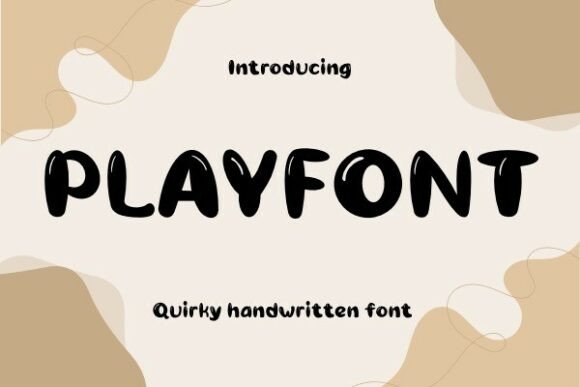
Unlock Your Design Potential with Playfont: A Versatile and Captivating Typeface
Welcome to the world of Playfont, a handcrafted typeface that brings a unique and dynamic touch to your creative projects. Whether you're designing T-shirts, mugs, tote bags, or invitation cards, Playfont is the key to elevating your designs and making them stand out. This isn't just any font; it's an adventure in typography that can transform your ideas into visually stunning creations.
Why Choose Playfont?
Playfont is not just another font; it's a carefully crafted, versatile typeface that adds a playful and engaging element to your designs. Its hand-drawn style makes it perfect for adding a personal and artistic touch to any project. Whether you're a professional designer, a small business owner, or a hobbyist, Playfont can help you bring your creative vision to life.
Misunderstanding the Font's Versatility
One common mistake is underestimating the versatility of Playfont. While it has a playful and casual look, it can be used in a wide range of contexts, from informal to semi-formal. Don't limit its use to just one type of project. Experiment with different applications to see how it can enhance various design elements.
Overlooking the Importance of Context
Another mistake is using Playfont without considering the context. For example, while it may work well for a children's birthday party invitation, it might not be the best choice for a corporate presentation. Always consider the tone and audience of your project before selecting a font. This will ensure that your design is both appropriate and effective.
Ignoring Font Pairing
When using Playfont, it's important to think about how it pairs with other fonts. Overusing Playfont or pairing it with similar fonts can make your design look cluttered and unprofessional. Instead, try combining it with clean, simple fonts to create a balanced and harmonious design. This approach will help you achieve a more polished and professional look.
Start with a Clear Vision
Before you start using Playfont, have a clear idea of what you want to achieve. Define the purpose and style of your project, and consider how Playfont can complement and enhance it. This will help you make better decisions and avoid using the font in ways that don't align with your goals.
Test and Iterate
Don't be afraid to experiment with Playfont. Try it out in different contexts and with various font pairings. Gather feedback from others and make adjustments as needed. This iterative process will help you refine your design and ensure that it meets your standards.
Consider the Technical Aspects
Make sure to check the technical details of Playfont before using it. Ensure that it supports the characters and languages you need, and that it is compatible with the software you are using. This will save you time and frustration, and help you avoid potential issues down the line.
What to Check Before Making a Decision
- Licensing: Verify that you have the right to use Playfont for your intended purpose. Some fonts come with specific licensing terms, so it's important to read and understand these before proceeding.
- Compatibility: Check if Playfont is compatible with the design software you are using. Most modern fonts are compatible with popular design tools, but it's always good to double-check.
- Character Set: Ensure that Playfont includes all the characters and symbols you need for your project. This is especially important if you are working with multiple languages or special characters.
- Quality and Resolution: Examine the quality and resolution of Playfont to ensure it meets your standards. High-quality fonts will look crisp and clear, even at larger sizes.
By following these practical tips and avoiding common mistakes, you can make the most of Playfont and unlock its full potential. Whether you're creating a T-shirt design, a mug, or an invitation card, this versatile and captivating typeface is sure to add a unique and engaging touch to your projects. So, let your creativity flow and embark on an exciting journey with Playfont.